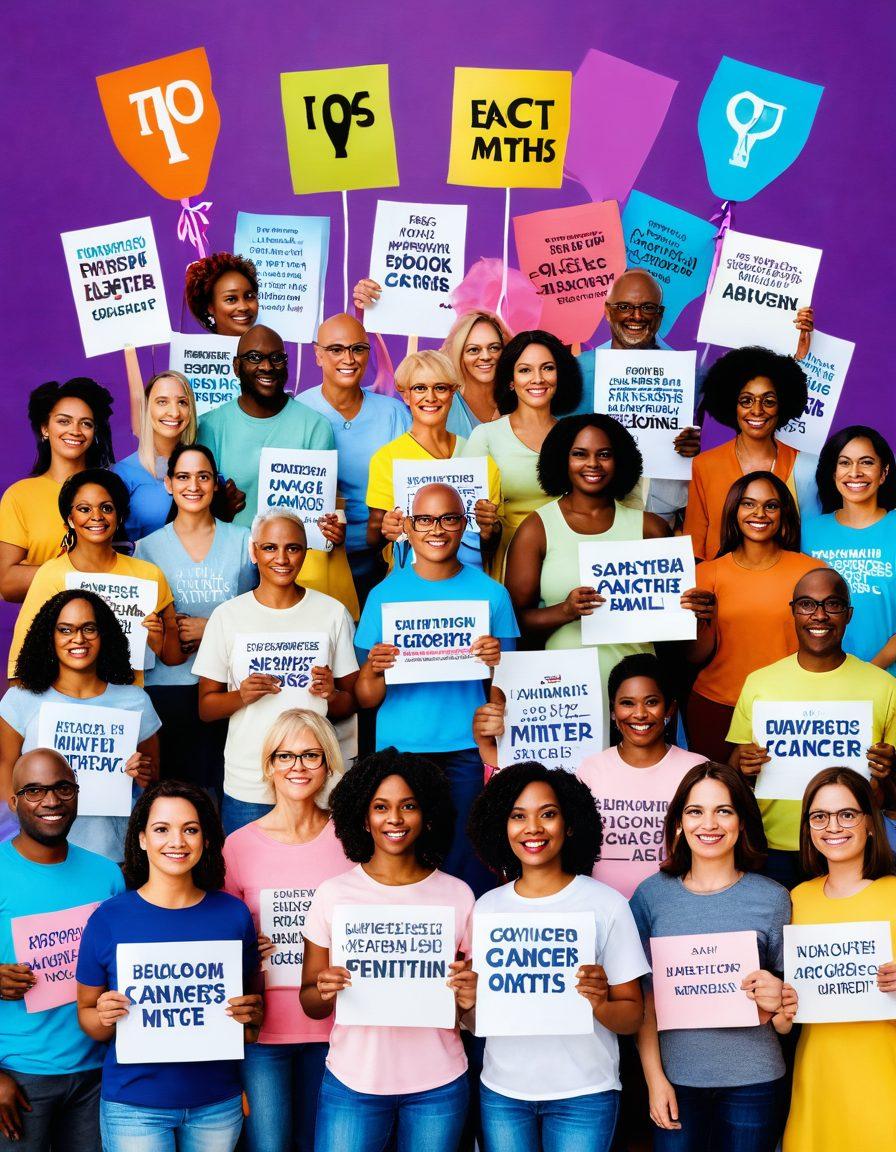
Busting Cancer Myths: Empowering Patients Through Knowledge and Advocacy
In the world of cancer, knowledge is the most powerful weapon. We've all heard countless jarring statistics about the disease that can strike fear into anyone's heart. Did you know that one in two men and one in three women are expected to receive a cancer diagnosis in their lifetime? This staggering reality often leads to the spread of cancer myths, creating confusion and fear among patients and their families. In this oncology blog, we will debunk common misconceptions about cancer, guided by insights from oncologists and inspiring stories from survivors who have navigated these tumultuous waters.
One of the most common myths is that a cancer diagnosis is a death sentence. This notion can instill dread, causing patients to lose hope even before they embark on their treatment journey. However, advances in cancer care, including immunotherapy and personalized medicine, have significantly improved survival rates for many types of cancer. An oncologist once shared, "The story doesn’t end here; it often becomes a tale of resilience." This paradigm shift in cancer treatment has given rise to a wave of cancer survivorship, emphasizing the importance of high-quality cancer education and informed decision-making.
People often believe that alternative therapies alone can cure cancer. While embracing wellness practices like yoga, meditation, and healthy eating are vital to overall well-being, they should not replace traditional treatments such as chemotherapy or radiation therapy. Survivors often found that combining these alternative therapies with standard treatment options not only enhances their mental health but also empowers them physically during their journey. Always consult with your oncologist about the best course of action tailored to your situation, and don’t hesitate to seek patient resources or reputable cancer forums.
Have you found yourself questioning the effectiveness of clinical trials? Many think these studies are a last resort, where patients seek treatment only when their cancer is considered terminal. In reality, clinical trials represent some of the newest and most advanced cancer innovations available, testing promising therapies that may provide hope for patients at any stage of their disease. Engaging in these studies not only contributes to vital medical research but also offers participants cutting-edge treatment options that could make a difference in their battle against cancer. So, next time you hear about a trial, consider it an invitation to explore possibilities instead of a sign of desperation.
Finally, let’s address the role of patient advocacy in debunking cancer myths. Education empowers patients and their families, allowing them to make informed choices. Joining support groups fosters a community of understanding where you can share experiences with others living with cancer. These interactions often lead to shared insights that help dismantle enduring misconceptions. By raising health awareness and promoting disease prevention techniques, we pave the way for more informed individuals to combat the rampant spread of cancer myths. Remember, your journey might be tough, but by equipping yourself with knowledge and support, every step becomes a stride toward victory.
Empowering Your Journey: Navigating Treatment Options and Patient Resources
Empowerment is a powerful word, especially when it comes to navigating the treacherous waters of a cancer diagnosis. The stark reality of hearing the words 'you have cancer' can leave anyone feeling lost and overwhelmed. Yet, within this storm of uncertainty, knowledge stands as the beacon of hope. Armed with information about your treatment options and patient resources, you can take control of your journey and embark on a more informed path through cancer care. As the saying goes, 'Knowledge is power,' and this is especially true when faced with the complex world of oncology.
When it comes to treatment options, patients often find themselves bombarded with information from various sources—friends, family, and yes, even the ever-confusing internet. Navigating through these varied opinions and suggestions can feel like an uphill battle. Have you ever found yourself wondering whether you should consider alternative therapies, embrace clinical trials, or go for the traditional routes like chemotherapy or radiation therapy? The truth is, there is no one-size-fits-all approach. Each patient's journey is unique, and that’s why having an oncologist's insight can be invaluable. They can help guide you through various treatment options and what makes the most sense for your specific situation.
But empower yourself further by tapping into patient resources that are now more accessible than ever. Cancer forums and support groups can provide a wealth of information, ranging from cancer education to personal anecdotes of survivorship. Connecting with others who are living with cancer can not only provide emotional solace but can also be a trove of practical tips on lifestyle changes and wellness strategies. Imagine sharing your fears with someone who truly understands your struggles. Wouldn’t that make your journey feel a little less lonely?
It’s vital to remain informed about recent advances in tumor research and cancer innovations. With continuous medical research and breakthroughs in treatments such as immunotherapy and palliative care, patients today have more options available than ever before. Remember the statistic: nearly half of all cancer patients are now living beyond five years after their diagnosis. As statistics improve, so too does the hope for your future. Engaging with these advancements can make your treatment journey feel like you're part of a larger community working for progress.
So, as you equip yourself with knowledge and advocate for your health, never underestimate the power of your voice. Whether it's engaging in cancer advocacy, asking questions in your next oncologist appointment, or joining a local support group, your actions matter. The empowerment from understanding your treatment options and available resources can turn a daunting diagnosis into a journey brimming with possibilities. After all, living with cancer means not just surviving but thriving, with the right support and resources at your fingertips. As we always say, 'One step at a time, and together we can conquer these myths surrounding cancer and turn them into stepping stones towards not just care, but care that inspires resilience and strength.'
Advocacy in Action: How Knowledge Transforms Cancer Care and Support
In the world of cancer care, knowledge is more than power; it's a lifeline. For patients grappling with a cancer diagnosis, understanding their condition and the available treatment options can make a monumental difference in their journey. Advocacy in action is not just about raising awareness; it’s about empowering individuals with cancer education that enables them to navigate their treatment paths effectively. How can we transform fear and uncertainty into confidence and empowerment? This is where patient advocacy comes into play, shedding light on cancer myths and presenting evidence-based insights from oncologists that can reshape our perception of living with cancer.
Imagine entering an oncology clinic, surrounded by medical jargon, statistics that seem daunting, and a flood of treatment options. It’s no wonder that many patients feel overwhelmed. Enter advocacy groups and cancer forums, where individuals can share experiences and access valuable patient resources. Knowledge transforms cancer care by bridging the gap between patients and healthcare professionals. Support groups often serve as a sanctuary, allowing patients to connect, share their journeys, and gather insights that are not often found in traditional medical settings. Advocacy arms individuals with real-world knowledge that can alter their treatment outcomes and mental well-being.
Let’s talk about cancer myths. One of the most pervasive myths in the realm of cancer care is that a cancer diagnosis is a death sentence. Statistics tell a different story. With advancements in medical research, including innovations in chemotherapy, immunotherapy, and radiation therapy, many people experience successful outcomes and enjoy cancer survivorship. This is precisely why knowledge in oncology matters. As patients advocate for themselves or their loved ones, understanding facts versus myths can steer the conversation toward hope and informed decision-making rather than despair. So, what myths have you encountered, and how might they differ from the realities based on current tumor research?
Our knowledge doesn't just stop with medical treatments; it extends into lifestyle changes that can significantly impact health awareness and disease prevention. From nutrition to exercise, many cancer care experts emphasize that wellness plays a critical role in recovery and survivorship. This holistic approach resonates especially in the realm of alternative therapies and palliative care, where patients can explore various options with their oncologist to tailor a treatment plan that fits their needs. Have you considered how small lifestyle adjustments could enhance your quality of life during treatment?
Advocacy also empowers patients to seek out clinical trials, offering access to breakthrough treatments that might not be available through standard protocols. The evolving landscape of cancer care is fueled by patient participation, making medical research an integral part of the conversation. By asking questions and demanding transparency from healthcare providers, patients can take an active role in their cancer journey. This collaboration between patient and physician builds a robust support system that fosters resilience. Together, we are not just participants in our healthcare; we can be agents of change in the fight against cancer. What will your next step be in your journey towards empowerment?